The Heavy Burden of Overeating
Published by David (40/Male)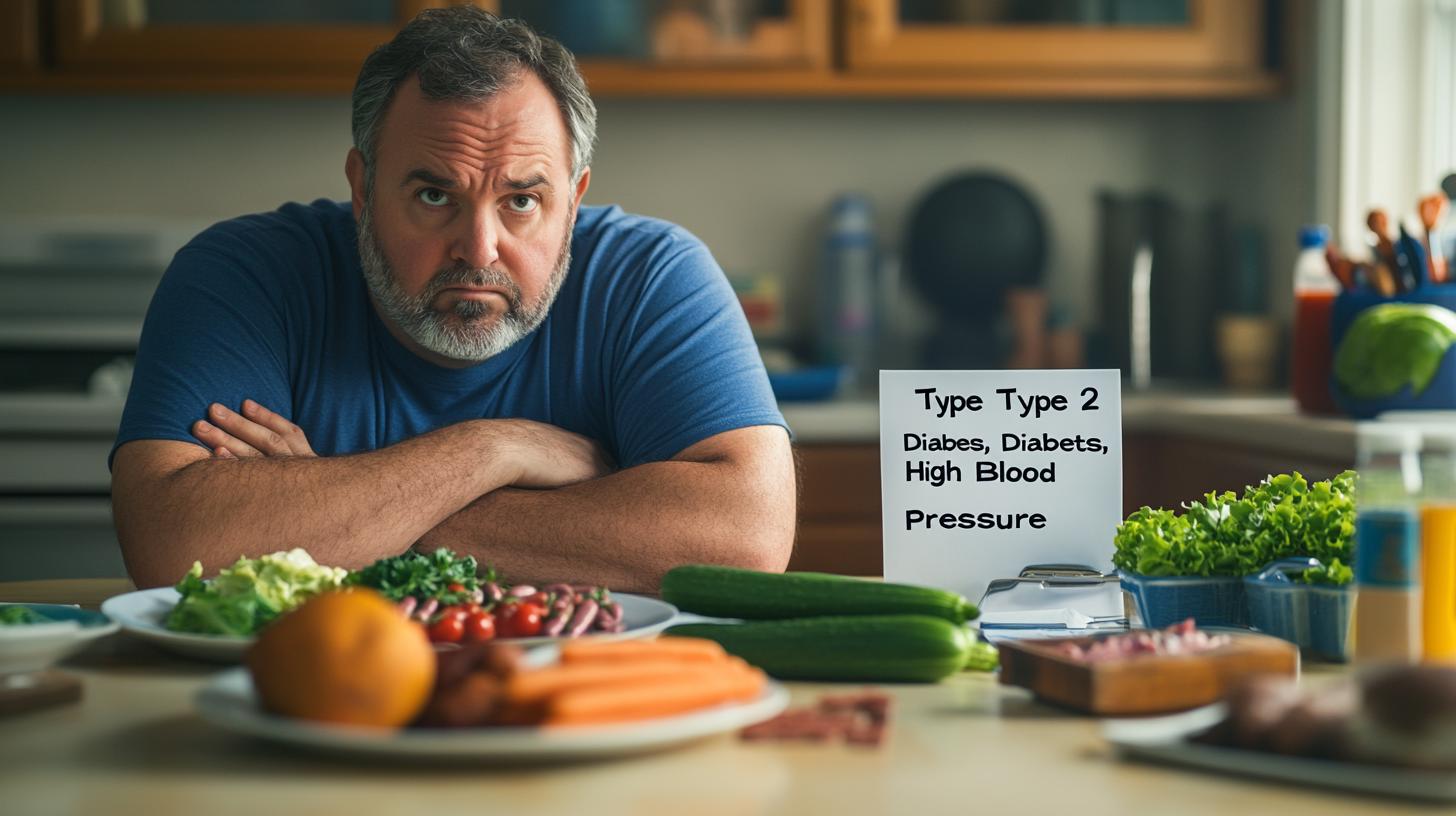
My Struggle with Weight and Health
Food was always more than just sustenance for me; it was comfort, a source of pleasure. I never paid much attention to portion sizes or the need for moderation. Eating until I was beyond full was normal, and second servings were a regular occurrence. I never considered that my love for food and overeating could have serious health consequences.
As time passed, my weight steadily increased. Initially, I shrugged it off as part of getting older. But then, simple tasks started becoming challenging. Climbing stairs left me breathless, and I found it hard to keep up with my friends and family during outings. My clothes no longer fit, and I often felt lethargic and sluggish. Despite these warning signs, I continued my eating habits, finding comfort in food whenever I felt stressed or down.
The turning point came during a routine health checkup. My doctor was concerned about my weight and the results of my tests. I was diagnosed with type 2 diabetes and high blood pressure, conditions directly linked to my obesity. Hearing that my eating habits had led to such serious health issues was a wake-up call. I had put myself at risk for even more severe complications like heart disease and stroke.
Changing my relationship with food was incredibly challenging. I had to learn about nutrition, portion control, and the importance of regular exercise. Every meal became an exercise in self-control, and I slowly started making healthier choices. The journey towards a healthier lifestyle was slow and fraught with setbacks, but it was necessary.
Looking back, I regret how I used to overindulge in food without considering the impact on my health. I learned the hard way that while food can be a source of enjoyment, it is also fuel for the body and should be treated with respect. My journey towards better health is ongoing, but it has taught me the importance of balance and moderation in all aspects of life.
What I learned: Overeating, especially without proper nutrition, can have detrimental effects on health, including the risk of developing chronic diseases.
Comments: