The Collapse of Sleep: My Descent into Exhaustion
Published by Jordan (30/Female)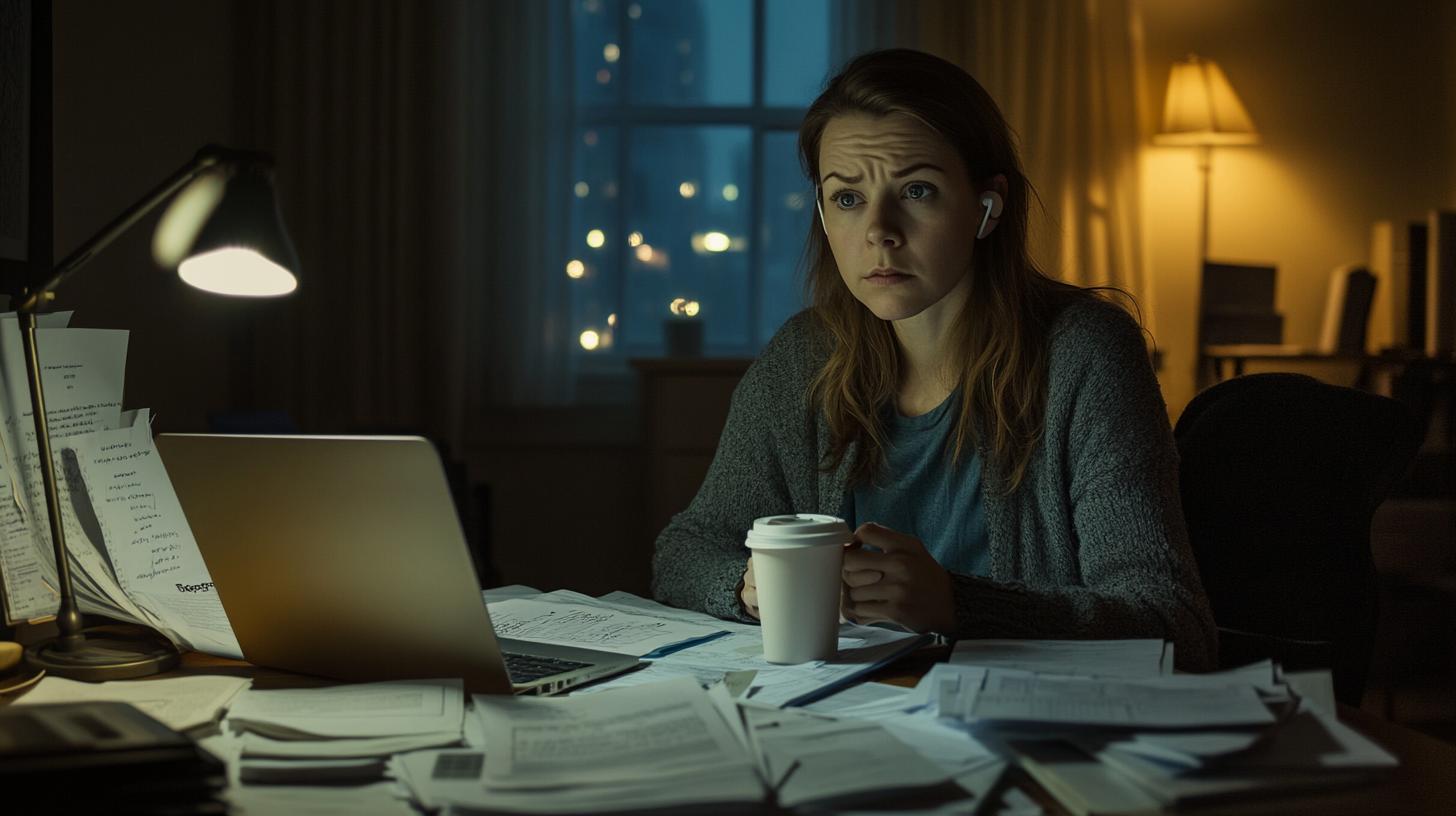
Neglecting Rest in the Pursuit of Success
As a young professional in a competitive industry, sleep was often the last thing on my mind. Burning the midnight oil, I'd work late into the night, fueled by caffeine and the adrenaline of meeting deadlines. I prided myself on being able to function on just a few hours of sleep. It was a badge of honor among my peers, a sign of dedication and strength. But little did I realize the cost of this habit on my mental and physical health.
Initially, the effects were subtle. I found it harder to concentrate, my memory wasn't as sharp, and I was often irritable. I laughed it off as the side effects of a demanding job. However, as time went on, these symptoms worsened. I started experiencing anxiety, and my mood swings became more pronounced. I was always tired, yet ironically, I struggled with insomnia, lying awake for hours, my mind racing with thoughts and worries.
My physical health also started to decline. I gained weight, my skin lost its luster, and I constantly battled colds and infections. My immune system was weakened due to the lack of restorative sleep. Despite these warning signs, I continued to devalue sleep, seeing it as a luxury I couldn't afford.
The breaking point came one morning during a crucial meeting. Mid-presentation, my mind went blank. I couldn't recall figures I had known by heart, and my words jumbled into incoherence. The room swam before my eyes, and I felt a wave of dizziness. I fainted, a result of sheer exhaustion. Waking up in a hospital bed, I was forced to confront the reality of my lifestyle. The doctors were clear – my body couldn't sustain this level of sleep deprivation without serious consequences.
But the damage was done. My cognitive abilities had suffered; I struggled with focus and memory retention. My personal relationships were strained due to my constant irritability and mood swings. The road to recovery was slow and frustrating. I had to relearn to prioritize sleep, a basic human necessity I had taken for granted.
Looking back, I regret those nights I sacrificed sleep for work. The cost was too high – it affected my health, my job performance, and my relationships. I learned that sleep is not a luxury, but a necessity. It's as vital as food and water, and without it, everything else falls apart.
What I learned: Consistently depriving oneself of sleep can lead to significant health and cognitive problems, negatively affecting professional and personal life.
Comments: