Finding Strength in Flexibility: My Journey from Rigidity to Compromise
Published by James (37/Male)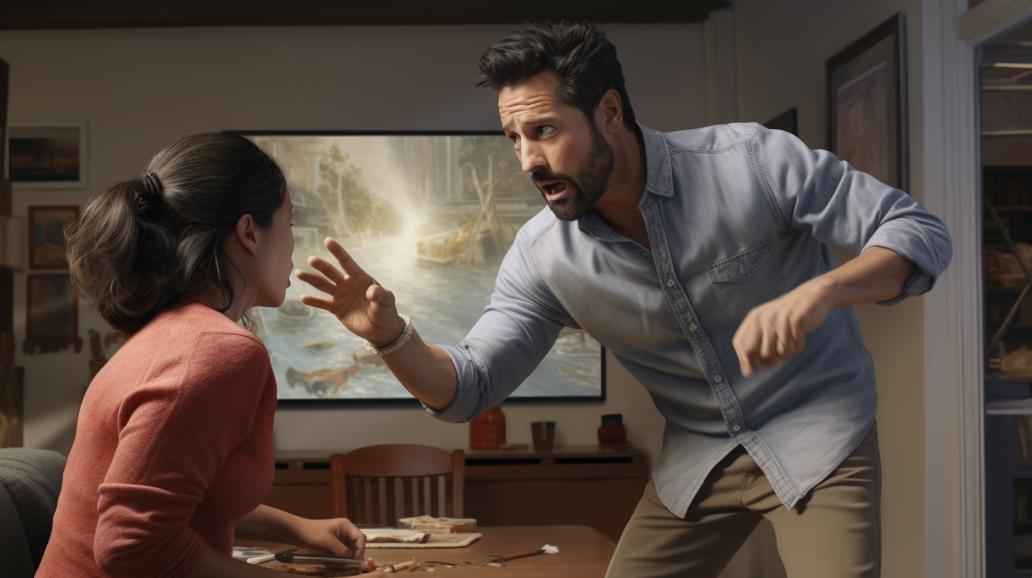
The Cost of Unyielding Stances in Relationships
In my relationships, both personal and professional, I prided myself on being steadfast and unyielding. I viewed compromise as a sign of weakness, a surrender of my principles or desires. This rigid stance led to countless arguments and conflicts, where I would refuse to budge or see the other person's perspective. I believed standing my ground was a strength, but in reality, it was a significant flaw that cost me valuable relationships and opportunities.
My refusal to compromise strained my marriage the most. Every disagreement, no matter how small, became a battleground where neither of us would give in. I saw every concession as a defeat rather than an act of love or understanding. This constant conflict took its toll. My wife felt unheard and unvalued, and I began to realize that my inability to compromise was pushing her away.
In my professional life, this attitude was equally damaging. I missed out on collaborations and projects because I was known to be difficult to work with. Colleagues and supervisors saw me as rigid and uncooperative, which stifled my career growth and potential.
The turning point came during a particularly intense argument with my wife, where she tearfully expressed how my stubbornness was affecting our relationship. It was a moment of painful clarity. I recognized that compromise isn't about giving up your values; it's about finding a middle ground where both parties feel respected and heard.
Learning to compromise was a journey. I had to let go of the need to 'win' every argument and instead focus on the health of the relationship. In professional settings, I learned the value of collaboration and flexibility. These changes improved my relationships and opened up new opportunities for growth and understanding.
Looking back, I regret not realizing the importance of compromise sooner. It's a vital component of any healthy relationship or collaboration. I learned that sometimes, standing your ground can mean standing alone, and the ability to find common ground is a true strength, not a weakness.
What I learned: Refusing to compromise can damage relationships and hinder personal and professional growth. Flexibility and willingness to find middle ground are essential for healthy interactions.
Comments: