Digital Daze: The High Cost of Constant Connectivity
Published by Sarah (28/Female)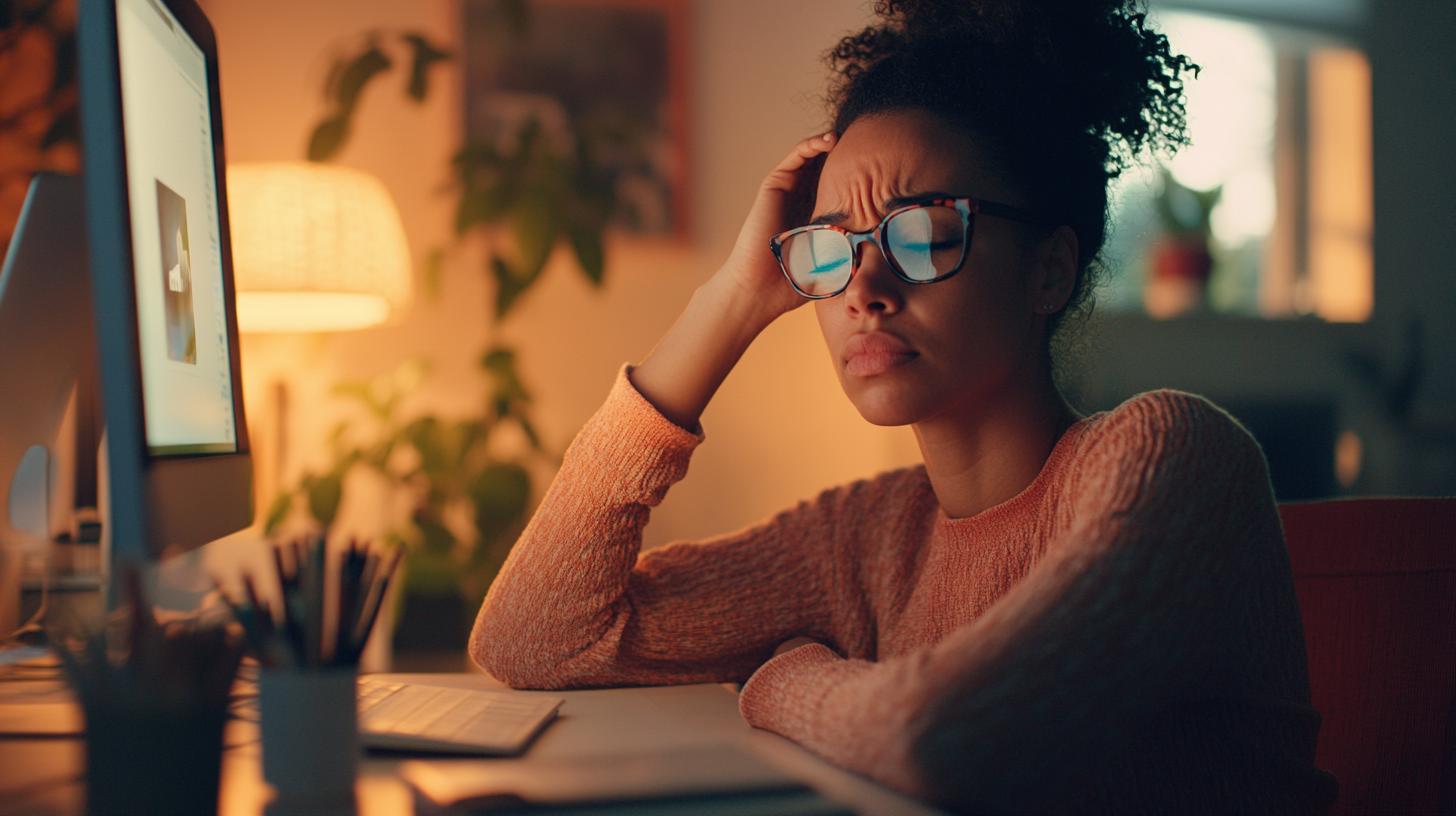
Facing the Fallout of Excessive Screen Time
As a digital marketing specialist, screens were an integral part of my life. Whether it was my computer at work, my phone for social media, or unwinding in front of the TV, my days were dominated by digital screens. The concept of 'too much screen time' seemed irrelevant to me. I loved my job and my tech-filled life, until I started experiencing the consequences of this excessive exposure.
At first, it was minor discomfort - dry, irritated eyes and occasional headaches. I shrugged them off, attributing them to long work hours or not getting enough sleep. But as my screen time increased, so did the discomfort. My eyes often felt strained and tired, and I began experiencing difficulty focusing on objects at a distance. The blue light from the screens started affecting my sleep patterns, making it harder for me to fall asleep and stay asleep.
Ignoring these signs was a mistake. It wasn't long before these minor issues turned into significant problems. The eye strain became constant, leading to severe headaches that hindered my ability to work. My sleep disturbances turned into chronic insomnia, leaving me exhausted during the day and impacting my mood and productivity. My screen time was no longer just a part of my job; it was negatively affecting my health and well-being.
Visiting an eye specialist was a wake-up call. I was diagnosed with digital eye strain and advised to drastically reduce my screen time. The journey to recovery involved wearing special glasses to filter blue light, practicing the 20-20-20 rule to reduce eye strain, and establishing a no-screen time before bed to improve my sleep. Adapting to these changes was challenging, especially considering my profession, but it was necessary for my health.
Looking back, I regret not being more mindful of my screen time. What seemed like a harmless habit had a significant impact on my health. I learned the hard way that moderation is key, even when it comes to screen use. Balancing technology with offline activities and being conscious of its effects on health is crucial. It's a lesson I now prioritize and share with others to prevent the same mistakes.
What I learned: Ignoring the early signs of digital eye strain and sleep issues can escalate into more significant health problems. It's crucial to practice screen time moderation.
Comments: