A Close Call: My Neglect of Chronic Disease Management
Published by Robert (50/Male)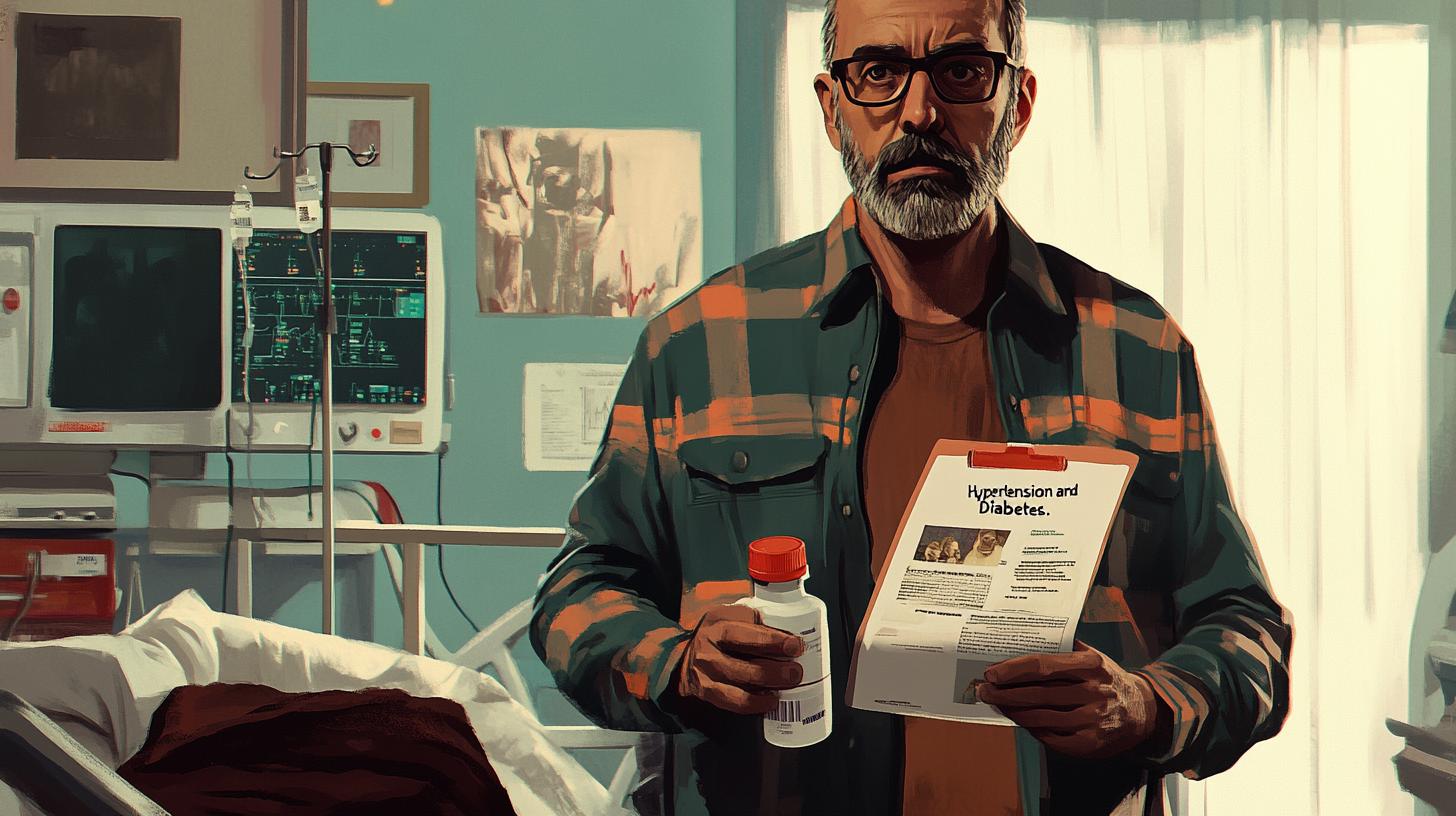
The Steep Price of Ignoring Diabetes and Hypertension
As someone diagnosed with hypertension and type 2 diabetes, I understood the importance of managing these conditions. Yet, life's demands often took precedence over my health. I was busy, always on the go, and managing my chronic conditions felt like just another chore on my ever-growing to-do list. Medications were taken sporadically, dietary recommendations were followed half-heartedly, and regular doctor's appointments felt like an unnecessary burden. I convinced myself that I felt fine, so I must be fine. This denial and mismanagement of my health were decisions I would come to regret deeply.
My casual approach to my health took a serious turn when I suffered a minor stroke. It was a terrifying ordeal that left me hospitalized for several days. The doctors made it clear that my negligence in managing my diabetes and hypertension was a significant contributing factor. The stroke was a warning sign of what could happen if I continued to ignore my health needs. I was lucky to have survived with minimal lasting effects, but the message was clear: I needed to change my lifestyle.
The road to taking my health seriously was challenging. I had to drastically change my diet, consistently monitor my blood sugar and blood pressure, and adhere to a strict medication schedule. Regular check-ups with my doctor became a priority. Every step required effort and discipline, but the fear of suffering another stroke or more severe consequences was a powerful motivator.
Looking back, I regret not taking my chronic conditions seriously. I had underestimated the importance of diligent management and the severe risks associated with neglect. My experience taught me a valuable lesson: chronic conditions demand respect and attention. Managing them is not just about prolonging life; it's about maintaining the quality of life. I share my story in the hope that it will encourage others to prioritize their health, even amidst a busy life. Chronic disease management is a lifelong commitment, but it's one that can save your life.
What I learned: Failing to adequately manage chronic health conditions can lead to serious, life-threatening situations, emphasizing the importance of consistent care and lifestyle adjustments.
Comments: