A Brush with Illness: My Wake-Up Call on Vaccination
Published by Jason (35/Male)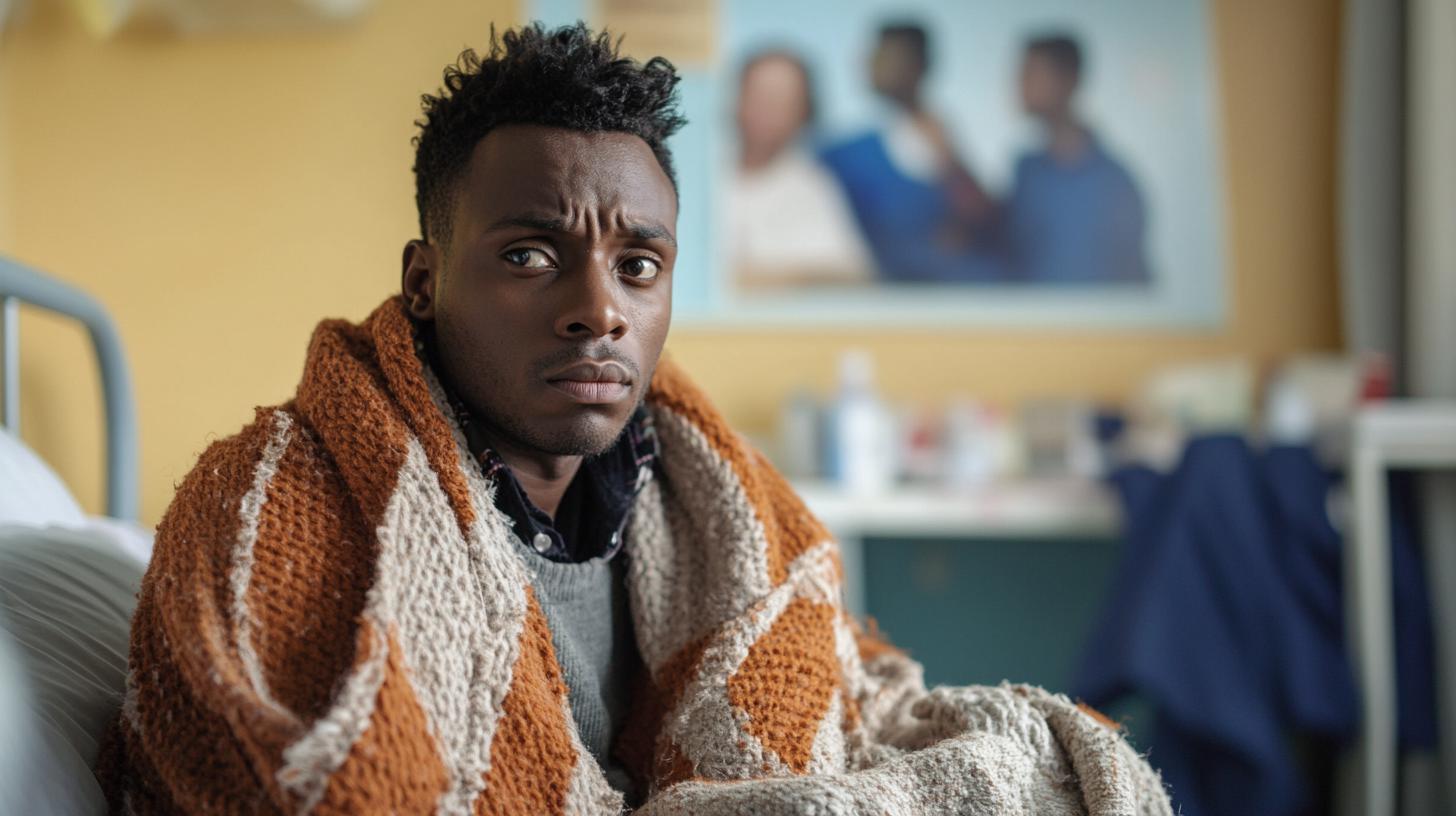
Learning the Hard Way: The Importance of Vaccines
For most of my life, I never thought much about vaccines. They were something I associated with childhood, not something I, as an adult, needed to worry about. I heard about flu shots and other vaccinations, but I brushed them off as unnecessary. I was healthy, ate well, and exercised regularly – surely, my immune system could handle whatever came its way. This mindset was a mistake I would come to deeply regret.
It was during an outbreak of the flu in my community that I learned the hard lesson. Everyone around me seemed to be getting vaccinated, but I remained confident in my natural immunity. Then, I caught the virus. What I expected to be a few days of feeling under the weather turned into weeks of severe illness. The flu hit me hard – high fever, relentless cough, and an exhaustion like I'd never felt before. It was frightening and debilitating.
My recovery was slow and frustrating. I couldn't work, I couldn't exercise, I couldn't even perform basic tasks without feeling exhausted. The virus had taken a significant toll on my body. In the aftermath, my doctor explained how the flu vaccine could have either prevented this or significantly lessened the severity of my illness. I couldn't believe how naive I'd been, thinking I was invincible against these viruses.
The experience changed my perspective on vaccines. I started researching and realized their importance in protecting not just myself, but also those around me – the elderly, the young, and the immunocompromised. I now make sure to get my recommended vaccines, understanding that this is a part of taking care of my health.
Looking back, I regret not taking vaccination seriously. It took a harsh bout of illness for me to realize the role vaccines play in health prevention. I learned the hard way that 'natural immunity' is not a foolproof shield against diseases. Vaccination is a simple yet powerful tool in maintaining health, and I now advocate for it, hoping others won't make the same mistake I did.
What I learned: Neglecting vaccinations can leave individuals vulnerable to preventable diseases, highlighting the importance of following recommended immunization schedules.
Comments: